Supporting your baby’s development with calmness and confidence
Your baby’s first year is filled with extraordinary moments: from their first sleepy smiles to those determined early steps. These changes, often described as developmental milestones, can feel exciting, emotional and, at times, overwhelming - especially when you’re navigating so much information or wondering whether your little one is “on track”.
Amid all the advice out there, it’s important to remember every baby develops at their own pace. What matters most is steady progress, plenty of reassurance and a nurturing environment that supports them as they grow.
This guide offers gentle parent-first advice to help you prepare for each stage, so you can feel ready for whatever comes next.
Understanding baby development milestones
Developmental milestones describe the broad range of skills most babies learn within a similar age range. This includes anything from motor skills like rolling and sitting to early communication, curiosity and social engagement.
Milestones offer a gentle framework for understanding how your baby is developing and what they may be ready to learn next. They can help you to:
- Recognise the natural order in which new skills typically appear
- Understand broad timelines for your baby’s growth
- Notice steady progress over time
- Identify when you may want a little extra reassurance or support
NHS guidance emphasises that these timelines are not fixed; they’re broad indicators to help you understand what your baby may be working towards, with plenty of room for individual variation.
How to prepare for your baby’s next milestone
We’ve grouped the first year of baby milestones into three-month stages to give a broader, more reassuring sense of how your baby’s development may unfold.

Newborn to 3 months: Building early skills
In these early months, your little one is adjusting to life outside the womb. While changes at this age may feel subtle, they’re building essential skills for later milestones.
What you may notice
- Focusing briefly on faces and high-contrast shapes
- Early smiles at around 6–8 weeks
- Beginning to lift their head during tummy time
- Beginning early imitation, such as copying facial expressions like sticking out their tongue
- Calming in response to familiar voices
- Gradually settling into day-and-night patterns
How to prepare
- Encourage small amounts of tummy time, each day to strengthen tiny muscles.
- Offer plenty of contact, including cuddles, skin-to-skin and soft conversation support bonding.
- Create a calm environment, reducing overstimulation with gentle lighting and slow transitions.
- Follow their cues around hunger, tiredness and comfort. Responding consistently helps your baby feel secure.
- Narrate simple actions to support early communication (for example: “We’re opening the curtains now…”).

3 to 6 months: Rolling, reaching and interacting
As your baby becomes more alert and engaged, this stage is filled with first laughs, early rolling and eager reaching.
What you may notice
- Rolling in one or both directions
- Reaching accurately for toys
- Exploring hands and feet
- Laughing, cooing and mimicking sounds
- Pushing up on forearms
- Tracking moving objects at further distances as their vision develops
- Beginning to recognise familiar people and respond differently to them
- Enjoying semi-upright positions with support
How to prepare
- Give plenty of floor time for safe rolling and stretching.
- Introduce lightweight, colourful toys to encourage hand-eye coordination.
- Sing, chat and repeat sounds - babies love rhythm and imitation.
- Establish gentle pre-sleep routines, supporting predictable patterns.
- Support early sitting, using cushions or your arms for brief periods.

6 to 9 months: Sitting confidently and exploring more
Between the age of 6 to 9 months, you’ll probably notice your baby becoming more and more independent. Sitting becomes steadier, curiosity deepens, and early problem-solving begins.
What you may notice
- Sitting with increased balance
- Passing objects between hands
- Exploring by banging, shaking and dropping toys
- Responding to their name
- Babbling strings of sounds
- Early attempts at crawling (rocking, shuffling)
- Beginning to understand simple object permanence (realising something still exists even when out of sight)
How to prepare
- Create safe exploration zones using soft rugs and low, stable furniture.
- Offer varied sensory experiences, such as fabric squares or silicone toys.
- Play simple games like peekaboo or hiding objects under a cloth (ideal for memory-building).
- Use clear gestures and simple words, such as waving or pointing.
- Encourage crawling by placing toys just out of reach to spark movement.

9 to 12 months: Crawling, cruising and early steps
This stage often brings new forms of movement, exploration and communication, as your baby builds strength and begins to understand their surroundings in new ways.
What you may notice
- Crawling confidently, or developing alternative mobility styles such as bottom-shuffling
- Pulling themselves up to stand
- Cruising sideways along furniture
- Picking up objects using a pincer grip
- Responding to simple instructions
- Showing emerging separation anxiety as they begin to understand object permanence
- Showing complex emotions including pride, frustration, curiosity
How to prepare
- Baby-proof your home: secure furniture, cover sharp edges, remove hazards.
- Encourage safe cruising with stable, baby-height surfaces.
- Support brief periods of independent play, helping your baby build confidence.
- Help early walking by offering your hands or placing furniture pieces close together.
- Expand language exposure with simple books, everyday naming and routine conversation.Spend time outdoors
- Spend time outdoors: varied textures like grass and smooth paths support motor development.
What if my baby is behind on their milestones?
It’s natural to feel worried if your baby hasn’t reached a milestone when you expected them to. With so much information available (and with social media often showing only the highlights), it can be easy to compare your little one to other babies, or even their older siblings.
However, as we’ve explored, infant development milestones are broad ranges, not deadlines, and babies often focus on developing one skill at a time. A delay in one area can be balanced by progress in another, so try not to be too disheartened.
When to seek reassurance
If you feel uncertain, or if something simply doesn’t feel right, it’s always okay to ask for advice. Health visitors and GPs can offer guidance, check your baby’s development and provide support if needed.
Remember that NHS health reviews - such as the 6-8 week and 9-12 month checks - are designed to monitor development and offer early reassurance.
For a more detailed guideline of when to get support, look for developmental concerns by age group in the official NHS milestone resources.
Staying grounded as milestones unfold
As your baby grows, it can be tempting to focus on the “big” milestones - the first roll, the first step, the first word. But the truth is that infant development is made up of countless small wins: the first time they grasp a toy with intention, the moment they hold your gaze a little longer, or the quiet determination when they try again after wobbling. These everyday achievements are just as meaningful.
Your baby learns best through your presence, reassurance and curiosity. When you slow down and notice the tiny changes, you’ll see how much progress is happening all the time.
Silver Cross products that grow with your baby
While the focus is always on your baby’s wellbeing and development, having adaptable products can make everyday life feel calmer and more intuitive. Silver Cross designs thoughtful, long-lasting solutions that support your child from their first days through to toddlerhood and beyond.
Newborn comfort: Carrycots
Carrycots provide a fully lie-flat environment that supports healthy spine and respiratory development recommended for newborns. Silver Cross carrycots feature breathable fabrics, deep padding and ventilation for comfort from day one.
Travel systems that evolve
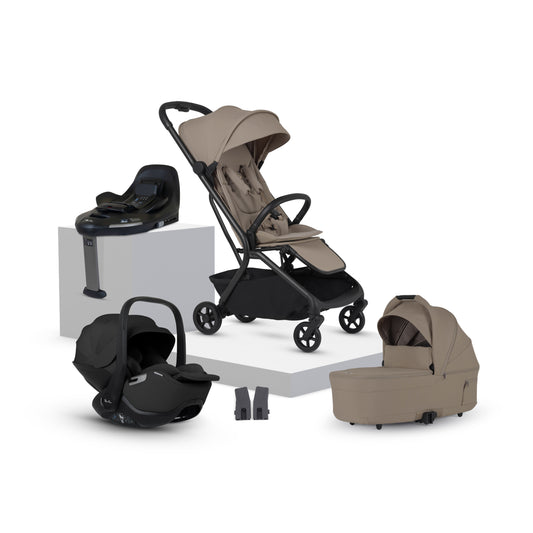
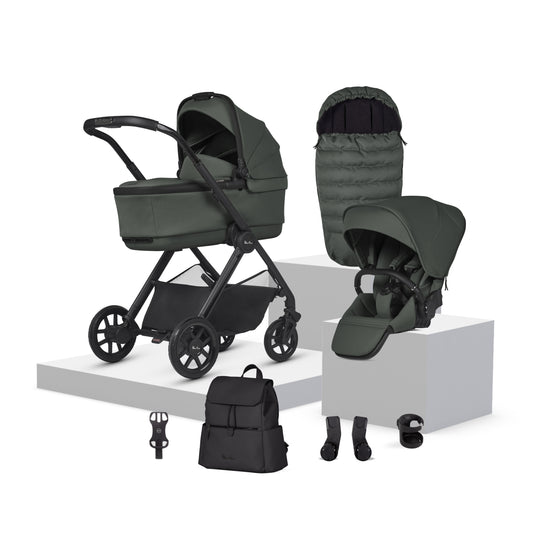
Our travel systems including Nia and Reef 2 move seamlessly from newborn carrycots to adjustable pushchair seats, adapting as your baby grows, learns to sit, and becomes more curious about the world.
Car seats for every milestone
The Motion 3 All Size 360 car seat grows with your child from birth to approximately 12 years. It offers multi-stage inserts, a 360° swivel for easier access, and secure comfort as they transition from infant to toddler.