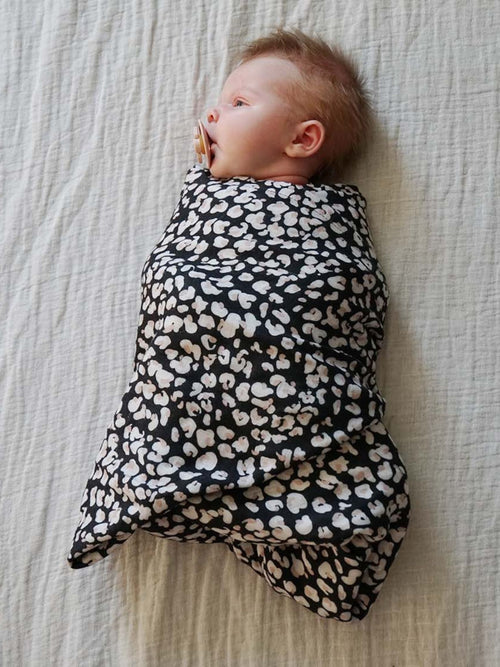
Congratulations on the arrival of your little one! If you’re choosing to swaddle your baby, we’re here to help!
The thought may seem a little daunting and you may be thinking, have I done this properly? Is it too tight? But don’t worry as you’re not on your own – all you need is our step-by-step guide.
Alongside showing you exactly how to fold and secure a baby swaddle wrap, we’ll also explore the benefits of swaddling, safe-sleep considerations and how to know when it's time to stop. Whether you’re trying swaddling for the first time or simply want to double-check your technique, we’re here to help you feel confident and supported.
What is swaddling?
Swaddling is a traditional technique for wrapping a baby that’s been practised for thousands of years by parents across the world. A baby swaddle wrap uses a lightweight sheet or breathable muslin to keep them snug and secure – it’s believed to keep your little one comforted in the outside world after being safe and warm inside your tummy for nine months.
Benefits of swaddling
As well as helping your baby adjust to life outside the womb, there are a few other benefits of a swaddle wrap, including:
- A sense of security by wrapping baby in a gentle, reassuring hold
- Reduced startle reflexes, helping minimise those sudden arm and leg jerks that wake them up
- Calmer, longer stretches of sleep, especially in the newborn stage
While there are some clear benefits to a baby swaddle - especially for sleep - it’s also completely normal if your baby doesn’t enjoy being swaddled. What calms some babies down can make others uncomfortable as it restricts their freedom to move.
Step-by-step swaddling guide
If you’re wondering how to swaddle a baby, this simple technique is one of the most popular and helps create a snug, secure wrap using a lightweight muslin or cotton sheet. Follow the steps below to swaddle safely:

Step one
Place your swaddle on a flat surface and fold it in half to make a triangle. Place your baby in the centre with their shoulders slightly below the fold.

Step two
Fold one side of your swaddle over the baby’s arm and chest and tuck the fabric under the baby’s free arm and back.

Step three
Fold the bottom of your swaddle over your baby’s feet, tucking the bottom corner into the top of your swaddle.

Step four
Fold the open side of the swaddle over the baby's free arm, tucking the fabric under the baby to secure.
Tip/Silver Cross Product Specialist says: “Always use a breathable muslin or cotton wrap, keep your baby’s head uncovered and leave plenty of room around the hips so they can move freely. This helps to support safe, comfortable swaddling.”
Different ways to swaddle a baby
There are a few different ways to swaddle a baby, and the best option depends on your little one’s age and comfort level:
Arms-in swaddle
This technique (demonstrated) is the most popular swaddling style - perfect for newborns who need that extra security. This full wrap helps recreate the cosy, womb-like feeling and reduces startle reflexes, supporting calmer, longer sleep.
Arms-out swaddle
An arms out swaddle is ideal for babies who are beginning to enjoy more freedom of movement. To do this, follow the same steps as the regular swaddle technique but leave one or both arms free while wrapping the torso.
Transition swaddling
This is the ‘phasing out’ stage of swaddling recommended for babies who are starting to show signs of rolling or become more active. You can either gradually transition from an arms-in swaddle to an arms-out swaddle using the same blanket, or invest in a specific product like a weighted wearable sleeping bag. This can help give your baby more independence while maintaining the soothing swaddle sensation.
Is swaddling my baby safe?
Yes, if you practise safe sleeping and hip-friendly swaddling, it’s perfectly safe. The biggest risk is not doing it properly. This could be that the muslin hasn’t been wrapped in the correct sequence, or that it’s too thick or too tight and could potentially cause overheating.
Swaddling should not be practised whilst breastfeeding, when your baby is likely to get warmer quickly. Being wrapped in a muslin may also restrict your little one’s natural feeding position.
Always be sure to follow safe swaddling guidelines or speak to your midwife if you’re considering it for your baby.
Here’s some key things to remember, as advised by the The Lullaby Trust:
Do
- Lay your baby on their back for every sleep.
- Use lightweight, breathable materials like a thin muslin or cotton sheet.
- Keep the room at a comfortable sleeping temperature (16–20°C).
- Keep the baby's head uncovered and avoid overdressing underneath the swaddle.
- Leave room around the hips so your baby can move naturally and reduce the risk of hip dysplasia.
- Check your baby’s temperature by feeling the back of their neck — remove layers if they feel hot or sweaty.
- Wrap securely so fabric can’t ride up over their face, but never tightly around the hips.
Don't
- Put a swaddled baby to sleep on their front or side.
- Swaddle when bed-sharing, as this increases the risk of overheating or restricted movement.
- Continue swaddling once your baby shows signs of rolling, as they may not be able to roll back.
- Use blankets or add extra bedding over a swaddled baby, as this can cause overheating.
- Swaddle a baby with a fever or illness, as they are more prone to overheating.
Always be sure to follow safe swaddling guidelines or speak to your midwife if you’re considering it for your baby.


