Planning your next journey with little ones?
Whether you’re heading out on the school run or preparing for a long-awaited family holiday, travelling with children always calls for extra care and preparation - especially when it comes to car safety.
You might be wondering how long your child can be in a car seat for, or whether you can take car seats or boosters abroad. Whatever your concern as a parent, the right preparation can help ease some of that pre-travel stress.
In this guide, we share eight expert-backed tips for helping families travel safely and smoothly: from choosing the right car seat and installing it correctly, to preparing for long journeys and navigating travel abroad.
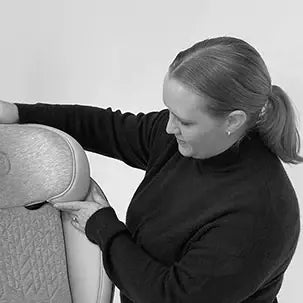
We’ve also included insights from our resident Car Safety Technologist, Kat Gemmell, so you can feel reassured and plan with confidence.
1. Use the correct stage car seat
Your child’s safety begins with choosing the correct stage car seat for their age, height and development. Each type of seat is engineered to protect children at a specific stage, which is why maximising the time they spend in each one ensures they benefit from the intended safety performance.
While every child grows differently, most car seats fall into three broad categories:
- Infant carriers (newborn to around 15–18 months): Always rear-facing and designed to support newborns’ developing posture and offer enhanced head and neck protection.
- Toddler seats (around 15 months to 4 years): These may remain rear-facing for longer or transition to forward-facing, depending on your chosen model and your child’s height.
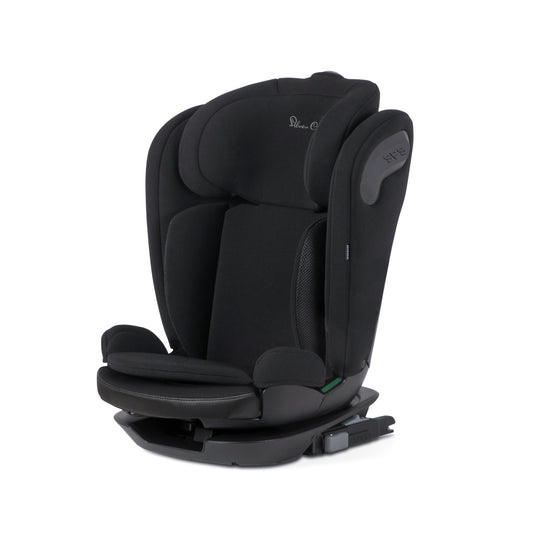
- Child seats and boosters (around 4 to 12 years): High-back booster seats position the seat belt correctly across your child’s body and provide added side-impact protection.
For a clear breakdown of car seat groups and how they relate to height and weight, explore our guide to Car Seat Groups.
If your little one is approaching booster stage, our Guide to Car Booster Seats explains when to transition and what to look for in a safe, supportive booster.
2. Ensure the seat is compatible with your car
Even with ISOFIX making fitting easier, not every car seat is compatible with every vehicle. Checking your vehicle handbook alongside the car seat’s approved compatibility list is essential, especially if your family uses more than one car.
“Child seat to vehicle compatibility is better than it used to be, but there are still occasions where a seat will not fit. Always check before you buy, and across any vehicles you intend to use.” - Kat Gemmell
A physical fit check in-store offers additional peace of mind, especially for families using multiple cars. If you’re planning to hire a car, it’s also worth confirming whether the vehicle supports your chosen installation method.
Tip: You can use the Vehicle Compatibility Checker on our Car Safety Centre to quickly see whether a Silver Cross car seat is suitable for your car.
3. Make sure the seat is fitted correctly
Correct installation is fundamental to child car seat safety. Use this quick fitting checklist before every journey:
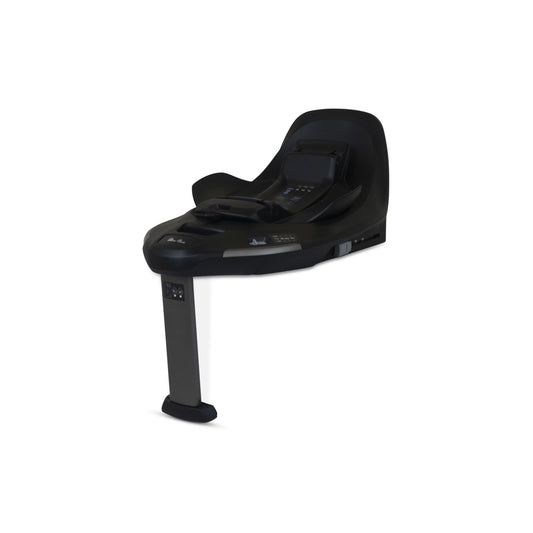
- Connect the ISOFIX points securely: Push the ISOFIX connectors into the vehicle anchors until they click, and check the indicators turn green.
- Fit the support leg or top tether correctly: Adjust the support leg so it rests firmly on the floor, or attach the top tether to the correct anchorage point.
- Check all installation indicators: Confirm all green indicators are showing before you set off.
- Test for movement: The seat should not move more than an inch at the base. If it does, refit and check again.
- Recheck after switching vehicles: If you move the seat between cars, or use the infant carrier on a pushchair chassis during travel, repeat these checks each time.
4. Make sure your little one is secured properly
Once you’ve fitted your car seat correctly, it’s important to make sure that your child is secure in their harness.
The harness straps should sit level with your child’s shoulders.
- Rear-facing: straps at or just below shoulder height
- Forward-facing: straps at or just above shoulder height
After fastening the harness, use the pinch test as a safety check. To do this, try to pinch the strap webbing from top to bottom between the buckle and harness pad (by your child's tummy). If you can pinch the strap together, the harness is too loose.
Kat also warns against bulky clothing that can affect how well the harness fits: “Children should not wear a snowsuit or coat in a car seat. It creates bulk which prevents the harness fitting to the child safely, and in younger babies it creates an overheating risk.”
Remove any thick layers before strapping your child in, then add a blanket over the harness if extra warmth is needed.
Activate child security features
An important check is to ensure child locks are activated and rear window controls are locked. This helps prevent accidental opening during the journey and gives you added peace of mind.
5. Pack the car safely before you set off
How you pack your car can make a real difference to safety, particularly on long journeys or holidays abroad. A well-organised boot and cabin keeps essentials accessible and reduces the risk of loose items shifting unexpectedly while you drive.
Kat explains: “If you’re involved in a collision, anything that is not strapped down in the car will fly around at the speed you have crashed at, until it hits something and stops. That could be the interior of the car, or a passenger.
"A box of tissues on the parcel shelf can hit you with the force of a house brick, so it is worth looking at what toys your little one has in the car.”
Here are some tips to remember for your next journey:
- Place heavier items low and deep in the boot to keep them stable.
- Keep the parcel shelf clear to maintain visibility and prevent items from shifting.
- Use seatback pockets or organisers to store smaller essentials neatly.
- Secure any loose bags or equipment so they can't move during the journey.
Thoughtful packing also makes it easier to travel with car seat accessories, day-to-day supplies and holiday luggage, helping you stay organised from the moment you set off.
6. Choose toys wisely
Toys can work wonders for keeping little ones settled on the move, but selecting safe options is essential. Opt for soft, lightweight toys or fabric books to reduce the risk of injury.
We also recommend storing toys in organisers or pockets when not in use, rather than loose on seats.
Avoid hard or bulky toys, unsecured tablets, or items that could cause injury if they move suddenly during braking.
7. Take regular breaks on long journeys
On long journeys it's important to take regular breaks, not only for your little passengers, but for yourself too! ROSPA recommends taking a 15-minute break for every two hours of driving, allowing you to stretch your legs and reset.
Are car seats safe for long road trips?
While car seats are designed to keep little ones safe during travel, they aren’t intended for prolonged periods of sleep or long stretches without movement. Changing position supports healthy posture and reduces stiffness.
For full term healthy birth weight babies, we recommend no more than two hours in their car seat at a time. If little one is a low birth weight, premature or has any underlying medical conditions, it may be worth reducing this time.
Where possible, having another adult in the back seat can help keep an eye on your child. If you’re travelling solo, a securely fitted baby mirror offers reassurance without distracting you from the road.
Learn more about keeping your child safe on long journeys in our article: How long can a baby be in a car seat?
8. Preparing for air travel with your car seat
If you’re heading abroad, planning how to travel with a car seat can make your journey easier and safer. Many families choose to bring their own seat for familiarity and peace of mind.
Before flying, always check your airline’s policy on using car seats in the cabin, approved seat types, and how child seating works at different ages. Policies can vary widely between airlines. Airline approved car seats are typically marked with FAA or TÜV certification.
Other considerations for smooth air travel:
- If used onboard, most airlines require the seat to be placed in a window seat
- If checking the seat into the hold, pack it securely to avoid damage
- Remember that hire-car seats abroad can vary in quality and fit
For older children, planning how they will travel with booster seat options at your destination can help streamline the journey.
Silver Cross products for every journey
Every Silver Cross car seat is built around the same core purpose: to keep your child as safe and comfortable as possible on every trip. From newborn lie-flat protection to advanced side-impact shielding for older children, each seat is engineered to support your little one through every stage of their development.
Newborn: Glide Plus 360
Glide Plus 360 keeps newborns in a safe lie-flat position for early car journeys, with breathable bamboo fabrics and triple-layer side-impact protection for comfort and confidence on the go.
Newborn to approx. 4 years: Approach Plus 360
Approach Plus 360 supports safe rear-facing travel and offers easy 360° rotation - ideal for quick stops and longer road trips. Its intelligent recline system and soft inserts help keep little passengers settled.
Birth to 12 years: Motion 3 All Size 360
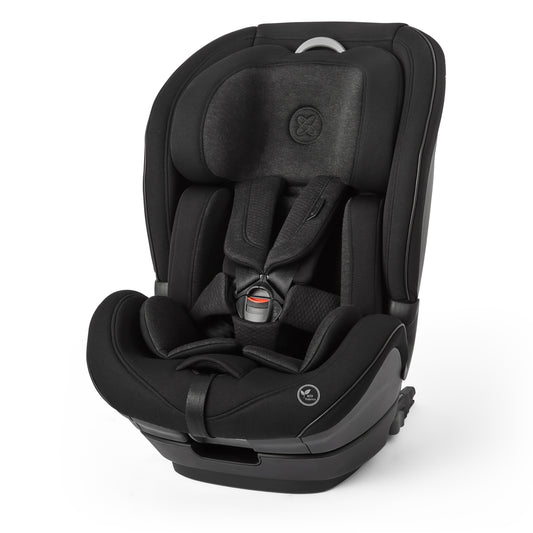
The Motion 3 All Size 360 is designed to support safe, comfortable car travel from birth right through to 12 years. Honeycomb side-impact protection provides active head-to-hip coverage at every stage, while the sprung harness system helps you fasten your child securely, even on busy travel days.
Child: Discover i-Size
Discover i-Size helps older children stay correctly positioned in the car with enhanced side protection and an ergonomic fit that supports longer journeys. Its slimline design fits three-across in many cars.
Silver Cross car seats undergo rigorous testing to meet the highest safety standards. You can learn more about our approach here: How We Test Our Child Car Seats.
If you’re deciding which model is right for your family, explore our Car Seat Buying Guide for simple, expert-led support.