Safety, standards, and choosing the right seat for every stage
Finding the right car seat group for your child can feel confusing, especially with so many terms like ‘i-Size’, ‘Group 0+’, and ‘Group 1’, to navigate. This guide breaks down what each child car seat group means - including height, weight and age regulations - helping you to choose the right seat confidently at every milestone.
Understanding car seat regulations in the UK
Car seats are currently approved under two main safety standards:
- R44/04: The older regulation, which classifies seats by your child’s weight (Groups 0–3).
- R129: The newer, height-based standard, designed to make choosing and fitting a car seat simpler, while keeping babies rear-facing for at least 15 months.
Both types of seat are legally permitted in the UK, as long as they're used correctly and within their approved height or weight ranges. However, parents are encouraged to choose R129 models where possible, as these seats include enhanced side-impact testing and provide greater clarity on when your child has outgrown their seat.
It’s illegal to use child car seats manufactured before 1995 that were approved under earlier regulations (ECE R44/01 or R44/02). Always check for a circled ‘E’ label showing either R44/04 or R129, plus the suitable height or weight range for your child.
Height-based car seats explained
R129 car seats are made according to your child’s height rather than just their weight and age - making it easier to ensure the right fit at every stage. The R129 standard is based on extensive crash testing and real-world safety data.
R129 helps parents make safer choices by:
- Having clear height and weight limits to know when the seat is outgrown
- Keeping babies rear-facing for at least 15 months - a position shown to offer superior protection in a collision
- Mandatory Side Impact crash testing
- Improved crash test dummies, measuring 30+ points of force – the R44 regulation dummies measure 6.
Choosing the right height-based car seat
It can be helpful to think about height-based (i-Size) car seats in three different categories based on your child’s age and developmental stage:
Group |
Child's Height |
Approx. Age Range |
Example Seat Type |
| Baby | Newborn – 87cm | Birth to 15–18 months | Rear-facing infant carrier |
| Toddler | 76cm – 105cm | 15 months to 4 years | Rear- or forward-facing seat with harness |
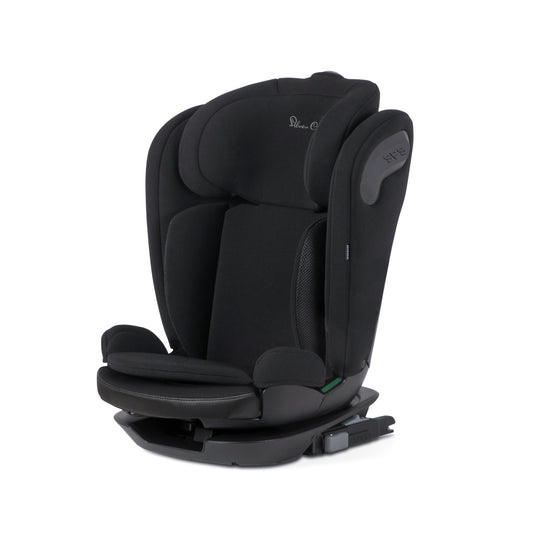
| Child | 100cm – 150cm | 4 to 12 years | High-back booster seat. *Some harness car seats may accommodate to 125cm. |
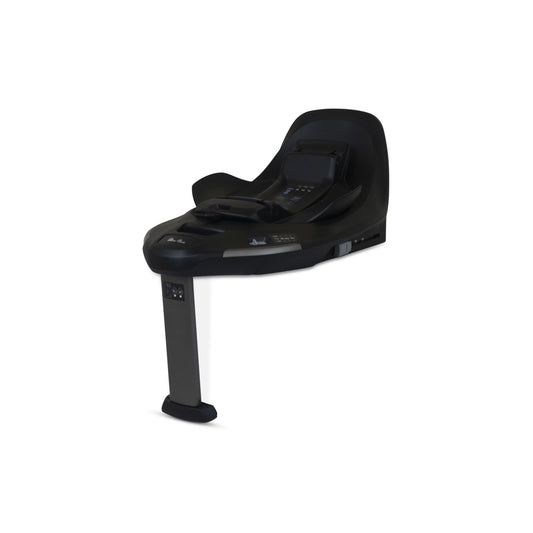
Car seats will either be a single group stage (such as Glide Plus 360) or a combination of the stages (such as Motion 3 All Size 360, which combines all three).

Remember: All R129 car seats must be used rear-facing until your child is at least 15 months old.
Many R129 car seats will allow your child to rear face beyond 15 months. Motion 3 and Approach Plus 360 offer rear or forward facing use from 76cm/15months up to 105cm/approx. 4 years old. Your little one doesn’t have to turn forward facing at 15 months – they are safer travelling rear facing for as long as possible.
You can confirm an i-Size seat meets UK law by checking for a circled ‘E’ and ‘R129’ printed on its label. For more information about i-Size safety and compatibility, see our i-Size Car Seat Guide.
Traditional weight-based car seat groups
You’ll still see car seat age groups described by weight - a system used under the older R44/04 regulation. Understanding these categories can help you decode traditional groupings and make confident choices when comparing different systems.
Group |
Approx. Age |
Weight Range |
Example Seat Type |
| Group 0+ | Birth – 15 months | Up to 13kg | Rear-facing infant carrier |
| Group 1 | 9 months – 4 years | 9–18kg | Rear- or forward-facing seat with harness |
| Group 2/3 | 4 – 12 years | 15–36kg | High-back booster or booster cushion |
As with R129 car seats, many R44 car seats combine several stages in one product
Choosing the right car seat
While these guidelines are designed to help parents understand car seat categories and make an informed choice, selecting one product can still feel overwhelming and daunting. No matter which brand or car seat classification you choose, it’s important to keep these points in mind:
- Your child’s current height and weight
- Your car’s ISOFIX compatibility (see our vehicle checker in the Car Safety Centre)
- Whether you prefer a dedicated group seat or a multi-stage seat that grows with your child
At Silver Cross, we offer a range of car seats across different height groups - from lie-flat Glide Plus 360 for the newborn stage, to the Motion 3 All Size 360 which adapts to your little one as they grow.
For more guidance on how to choose the right car seat for any stage of your child’s development, view our Car Seat Buying Guide.
Conclusion
Every car journey is a milestone - from their first ride home to the school run years later. Choosing the right car seat for your child’s stage ensures they travel safely, comfortably, and with complete peace of mind. With Silver Cross by your side, you can feel confident that every journey - big or small - is protected by over 140 years of craftsmanship, innovation and care.