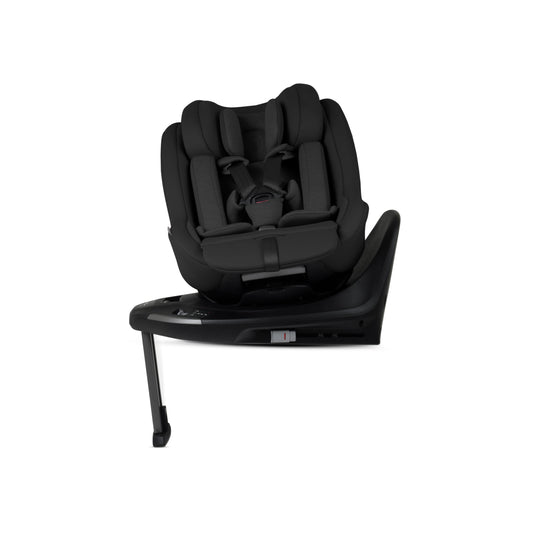
Learn about common causes of car seat discomfort and tips for how to calm your baby in the car
Few things test your nerves quite like driving with a crying baby in the back seat. If your little one screams every time they’re buckled in, you’re far from alone – it’s one of the most common worries parents share with us. In many cases, there’s a reason behind the tears, which means there are practical ways you can help.

In this guide, we’ll look at why your baby cries in the car seat, how to settle them during journeys, and when it might be worth speaking to your GP. Because while car seat resistance can feel overwhelming in the moment, understanding what’s behind it is often the first step toward making trips a little easier for everyone.
Why does my baby hate the car seat?
There are lots of reasons why babies cry in their car seats, and it’s rarely just one thing. It could be developmental, physical, environmental – or a combination of all three. Understanding the most likely causes can help you figure out what your baby needs and where to start making changes.
1. Developmental stages
As your baby grows, so does their awareness of the world around them. From around six months, many babies begin developing object permanence. They know you’re there even when they can’t see you, which can make being apart from you more upsetting. This separation anxiety is completely normal, but it can make rear-facing car journeys particularly challenging. Using a large rear seat mirror so baby can see you may help.
If baby is especially upset, some parents choose to move baby into the front seat to help them settle. There are a few things to consider:
- Deactivate the airbag – this is a legal requirement for rear facing child car seats. If you cannot deactivate your airbag, you cannot install a rear facing car seat in the front.
- Does your car seat fit safely? Even if you have ISOFIX in the front seat, compatibility isn’t guaranteed. Ensure you check the car seat manufacturer’s compatibility list.
- Will you become more distracted? If you find yourself more distracted with baby in the front – it is safer for their seat to go back in the rear of the vehicle. It is natural to want to comfort and soothe baby, but this shouldn’t be at the expense of your attention on the road.
- If you choose to move baby to the front seat, keep this a short term solution, moving them back into the rear of the vehicle as soon as possible.
At the same time, babies who are learning to roll, crawl or cruise often resist being restrained. They want freedom to move, and being strapped into a car seat harness simply doesn’t fit with their plans. Sensory overload can play a part too – motion, engine noise, passing traffic and shifting light can be a lot for a small person to process. Every baby’s temperament is different, and some are naturally more sensitive to these kinds of stimuli than others.
To better understand and support your baby through each stage, check out our guide on how to prepare for your baby’s next milestone.
2. Discomfort or incorrect fit

A harness that’s too loose won’t keep your baby secure, but one that’s too tight can dig in and cause genuine discomfort, especially on longer journeys. A quick way to check is the pinch test: once the harness is fastened, try to pinch the strap between the buckle and harness pad. If you can gather the fabric between your fingers, it’s too loose. If you can’t get any give at all, it may be too tight. You’re looking for a snug, flat fit with no twists in the straps and an even harness height.
Another underlying cause could be the fit of the harness straps. The harness should sit level with their shoulders. If you can’t get them level, they can dip just below when rear facing and just above when forward facing. Adjusting the harness to the correct height is safer and more comfortable for little one.
It is also worth checking that little one hasn’t outgrown the car seat. All R129 approved car seats will state a maximum height and weight limit. Check your little one is still within the seat limits. This includes checking if they have outgrown any inserts that are in the seat, which may need removing.
For your little one’s comfort, regular breaks on long journeys are a must. Find more guidance in our article about how long a baby can be in a car seat.
3. Temperature and clothing
Babies can’t regulate their body temperature as effectively as adults, and car seats can trap heat around their back and head. If your baby seems flushed, sweaty or generally irritable, they may simply be too warm. Bulky coats and snowsuits are a particular problem. Not only do they cause overheating, but they also create a gap between your baby and the harness, which can affect how securely the straps hold them in the event of a collision.
Dress your baby in thin, breathable layers and add a blanket over the harness if they need extra warmth. In summer, try cooling the car before you set off, and in winter, a quick blast of the heater before you strap them in can make all the difference.
4. Reflux, gas or feeding timing
Some babies cry in the car due to digestive discomfort. The NHS recommends keeping babies upright for a while after feeding and winding them thoroughly before placing them in a car seat.
Where possible, avoid setting off immediately after a feed. If your little one vomits, struggles with feeds, or seems persistently uncomfortable, it’s a good idea to speak to your GP, as reflux or other digestive issues may need medical support.
How to calm a baby in the car: dos and don’ts
There’s no single trick that works for every baby - every baby is different. Knowing how to settle a baby in the car seat often comes down to small, consistent adjustments rather than magic fixes. The following steps are practical ways to make journeys calmer for both you and your little one.
Do:
- Dress in thin, breathable layers. This helps prevent overheating. You can add an easily removable blanket if they get chilly.
- Check the harness every trip. Use the pinch test and make sure straps lie flat across your baby’s shoulders with no twists. Even small changes in clothing thickness can affect fit.
- Reduce stimulation. Sun shades, soft background noise, or familiar music can help keep your baby calm.
- Talk or sing reassuringly. Many babies respond well to a parent’s voice – soft conversation or singing can soothe them.
- Take regular breaks on longer trips.
- Pull over safely if needed. If crying becomes overwhelming, it’s always safer to stop and take a moment rather than drive stressed.
Don't
- Never take your baby out of the car seat while the vehicle is moving. No matter how distressed they are, unbuckling them is extremely dangerous.
- Avoid aftermarket inserts and accessories. They can interfere with how the seat performs in an accident and should be avoided. Only use products approved by your car seat manufacturer.
- Don’t switch to forward-facing too early. Rear-facing seats provide better protection for head, neck, and spine.
- Don’t use bulky coats or snowsuits in the seat. They compress in a crash, leaving slack in the harness.
- Keep hard toys and food out of reach. Loose items can become projectiles in a sudden stop, and feeding in a moving car increases choking risk. Soft toys are safer alternatives.
Tips for making car journeys more enjoyable

Once the main sources of discomfort are addressed, there are plenty of ways to make car journeys more enjoyable for both you and your baby. A simple pre-journey routine can help set the tone: feed, change, and share a short cuddle before heading out. This signals comfort and readiness, much like a bedtime routine.
If you have any flexibility in your schedule, try timing journeys around naps or quieter periods of the day – a sleepy baby is much more likely to settle quickly. And for longer trips, start small. A short five-minute drive to familiar places can help your baby adjust gradually to the sensation of being in the car.
Inside the vehicle, keep the environment uncluttered and calm, using familiar sounds like a favourite song, gentle white noise, or your voice. Babies are incredibly tuned in to the adults around them, so modelling calm behaviour is key. Taking a few slow breaths before setting off can help everyone feel steadier.
Silver Cross car seats for comfortable everyday travel
The right car seat won’t magically stop every cry, but it can make a real difference to your baby’s comfort and your confidence. We’ve designed each of our car seats with everyday family travel in mind, paying close attention to the details that affect how your baby feels on the journey.
Glide Plus 360
The Glide Plus 360 is designed for babies from birth up to around 18 months old, and keeps them safe and supported on every journey. Its lie-flat recline creates an optimal travel position from day one, whether you’re on the road or moving between car and stroller, while the option to pair with a rotating ISOFIX base makes getting your baby in and out much easier. Temperature-regulating bamboo fabrics, built-in ventilation, and a soft newborn insert help keep little ones comfortable on every trip.
Approach Plus 360
Suitable from birth to approximately 4 years, the Approach Plus 360 features an inner recline system that helps support a more natural resting position. This is particularly useful for babies who seem unsettled sitting very upright. The smooth 360° rotation makes getting your baby in and out calmer and easier.
Motion 3 All Size
If you’re after a seat that grows with your child from birth right through to 12 years, the Motion 3 All Size 360 is designed to do exactly that. Soft bamboo inserts cradle your newborn, while breathable fabrics help to regulate temperature – ideal for babies who tend to overheat. The easy-adjust harness and headrest mean you can maintain a comfortable, secure fit as your child moves through each stage, without needing to buy a new seat along the way.
Not sure which car seat is right for your baby? Have a read of our car seat buying guide for more information.