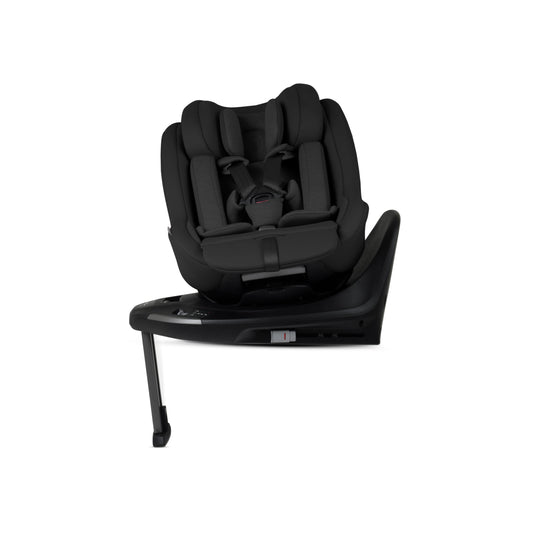
Choosing the right car seat position means balancing safety guidance with vehicle compatibility and everyday practicality. Whether you’re installing a seat for a newborn or repositioning one for a growing toddler, it’s natural to want reassurance that you’ve made the safest choice.

In this article, we’ll explain not just where to place your car seat, but why certain positions are recommended. From understanding rear vs. front seat placement to considering installation and age-specific needs, we’re here to help you travel with clarity and confidence on every journey.
What is the safest position for a baby’s car seat?
When deciding where to place your baby’s car seat, the rear of the vehicle is widely recognised as the safest option. This is where child restraints are designed to perform most effectively and where babies are positioned away from front airbags.
Within the rear of the car, there are several positions where a seat may be fitted. The safest choice will depend on your vehicle’s layout and where your car seat can be installed securely according to both the vehicle handbook and the manufacturer’s instructions.
Before positioning any car seat, remember that UK law requires child car seats to be fitted using a suitable three point (lap and diagonal) seatbelt or ISOFIX anchor points.
Rear middle seat
The rear middle seat is often considered the safest option because it positions your baby furthest from each side of the vehicle. In the event of a side impact collision, the outer structure of the car absorbs much of the initial force. A central position therefore provides additional space between your child and the point of contact, reducing the potential impact.
Important: Some vehicles only provide ISOFIX anchor points or three point seatbelts on the outer rear seats, which means the middle seat may not always be an option. Your car seat’s user manual will also confirm whether or not the seat is approved for centre installation.
Rear passenger-side seat
The rear passenger-side seat is also a very safe and practical option. Positioned in the back of the vehicle, it keeps your baby away from front airbags while allowing the car’s built-in safety features to help protect them during a collision.
In everyday use, this position often makes loading and unloading easier from the pavement side.
Rear seat behind the driver
The rear seat behind the driver offers the same fundamental protection as the passenger side: it keeps your baby in the rear of the vehicle, where child restraints are designed to work most effectively.
If another adult is travelling in the front passenger seat, this position can make it easier for them to check on the baby during the journey.
Whichever set up you choose, ensuring the car seat is correctly reclined and securely fitted will allow it to perform exactly as intended.
Can you put a car seat in the front seat in the UK?
While the rear seats are recommended, you can put a car seat in the front seat if it’s compatible with the vehicle and installed correctly.
There are some situations where this might be necessary, including fitting multiple car seats or having limited space in the back of the car.
However, it’s generally safer for babies to travel in the rear of the vehicle, and it’s against the law to place a rear facing car seat in the front if the airbag is active.
When installing a rear facing car seat in the front, it is a legal requirement to deactivate the front airbag. Your vehicle handbook will provide information on how to do this.
If installing a forward facing car seat in the front, it is important to check your vehicle handbook first. Although it is not a legal requirement to deactivate the airbag for forward facing children, vehicle manufacturer guidelines will advise what is safest for that particular vehicle.
Tip: If you’re worried about not being able to see your baby in the rear of the car, using a car seat mirror or having another adult in the back with them can provide reassurance on longer journeys.
Where is the safest place for a child’s car seat?
As children move into forward facing seats or high back boosters, the safest place for their seat remains in the rear of the vehicle wherever possible. This is even more important for forward facing children, who are at higher risk from frontal impacts. Travelling in the rear increases the space for crash forces to be absorbed.
While children can legally travel in the front seat as long as the appropriate car seat is used and the vehicle handbook approves it, many safety experts recommend keeping them in the back of the car for as long as possible.
Guidance when fitting more than one car seat
Fitting multiple car seats in one vehicle can sometimes feel like a bit of a puzzle, especially in smaller cars. The key is to focus on secure installation and suitability for each child. As a general guideline:
-
Prioritise the youngest child
If space is limited, aim to position the youngest child - particularly if they are rear facing - in the seat that allows the most secure and stable fit. Rear facing seats often require more room for recline, so check that there is sufficient space without pressing firmly against the seat in front (unless your car seat manufacturer allows this).
-
Choose positions based on compatibility
Not all rear seats offer ISOFIX points, and not all car seats are approved for centre installation. It may not always be possible to place every seat in an ‘ideal’ spot, so focus instead on where each one fits correctly according to both the vehicle handbook and the car seat instructions.
-
Avoid compromising installation
Never force seats tightly together if it affects stability or prevents proper installation. Each seat should be independently secure, with no movement at the base. If fitting three across the back seat, check that buckles remain accessible and harnesses can be adjusted properly.
Every vehicle layout is different, so we recommend taking your time and testing combinations before travelling where possible.
Final tips for safe and confident travel

Here’s a quick checklist of things to do before setting off to ensure your car journey starts smoothly and safely:
- Check airbag settings: If your car seat is fitted in the front passenger seat, always ensure the airbag is fully deactivated when using a rear-facing seat.
- Ensure belts are smooth and flat:Whether installing with a seatbelt make sure belts lie flat with no twists and are threaded exactly as instructed by the manufacturer.
- Confirm the correct recline angle:Especially for newborns, the right recline supports healthy head and neck positioning.
- Secure ISOFIX connections fully:: If using ISOFIX, look for visual indicators to confirm the connectors are locked into place.
- Follow approved seating guidance: Every car and car seat combination is different. Always check both your vehicle handbook and car seat manual to ensure your chosen position is suitable.
A correctly installed car seat in a position that works for your vehicle and family routine will always provide the best protection. If you’re ever unsure, consider booking a professional fitting check for extra peace of mind.
Silver Cross car seats for every journey

Silver Cross car seats are thoughtfully engineered to make positioning, installation and everyday use simpler for parents. Features such as ISOFIX compatibility and 360° rotation help make installation easier,
while side-impact protection, supportive recline positions and easy-to-adjust harness systems help keep your child comfortable and secure.
From the Approach Plus 360 for younger babies to the adaptable Motion 3 All Size 360 and the extended rear facing Perform, Silver Cross car seats are designed to support every stage of travel as your child grows.
Browse the complete collection of Silver Cross car seats, or view our car seat buying guide for tips on how to choose the right model for you.