Welcoming your newborn home for the first time is an exciting and emotional moment, but it also brings important car safety considerations to prepare for.
Ensuring your newborn is properly secured in a suitable car seat is not just a recommendation; it’s a legal requirement. If you’re unsure how to put your baby in a car seat for the first time, you’re not alone - many parents feel this way.
From selecting a car seat and using it correctly to dressing your baby appropriately for the season, this guide provides essential tips to help you prepare for a safe and comfortable trip home from the hospital with your newborn.
Do I have to take my baby home in an infant car seat?
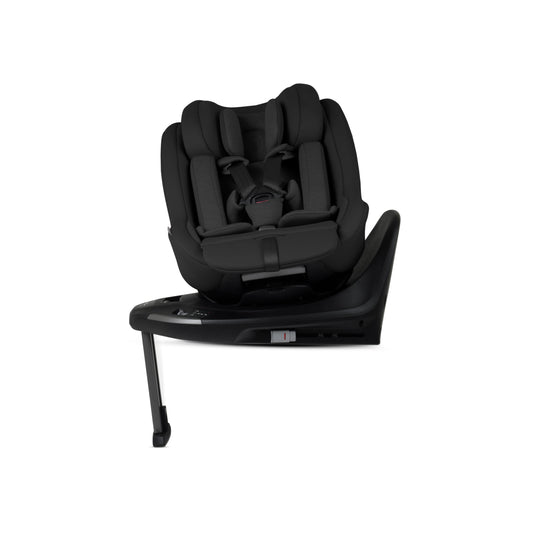
If you are travelling home in a car, your baby must be in a car seat that is suitable from birth. Options include traditional infant carriers (such as the Glide Plus 360), or a fixed multi-stage car seat like the Approach Plus 360 or Motion 3 All Size 360. You can learn more about these in our guide to choosing a newborn car seat.
Regardless of the type of car seat you pick, it’s important to consider vehicle compatibility, which will be provided by the manufacturer. You can check Silver Cross car seat compatibility on the Car Safety Hub.
When moving your baby from the hospital to the car, carrying them in your arms is not recommended. This is where an infant carrier car seat or travel system can come in handy, but if your car seat is fixed, you’ll need to transport them in a carrycot or lie-flat pram.
Sometimes it’s not possible to use a from-birth car seat that’s compatible with your vehicle, for example, when you’re travelling home in a taxi or minicab – although your baby will always be safer in a car seat.
How to put a newborn in a car seat
Preparing for your first journey home? Here’s how to secure a newborn baby in a car seat safely step-by-step.
Step 1: Place baby in the seat correctly
First, loosen the harness straps and move the buckles to the side. Gently place your baby into the seat, ensuring that their back is flat against the back of the car seat and their head is in a natural position.
Step 2: Position the harness straps
Slip the harness straps over your baby’s shoulders. The straps should sit at or just below shoulder level for newborns and lie flat without twisting.
Step 3: Fasten the buckles
Secure the crotch buckle and chest clip, ensuring both are fully fastened. You should hear a click when the buckles are correctly engaged.
Step 4: Tighten using the pinch test
Pull the harness adjuster strap to tighten. To check the fit, try to pinch the harness webbing between the buckle and shoulder pad. If you can do this, that means the harness is too loose and needs to be tightened further.
Step 5: Check chest clip position
Position the chest clip at armpit level. This helps keep the harness secure and in the correct position.
How to prepare for travel with your newborn
The day you bring your baby home can be very overwhelming for new parents, but there are a few things you can do in the days or weeks prior to help you feel more at ease when the time comes.
1. Install your car seat safely
Ensure that you follow the installation instructions carefully using the product manual. Some brands, like Silver Cross, have QR codes printed on the car seats, so you can easily access these documents online and watch instructional videos.
Many car seats use ISOFIX, an easy, built-in system that connects the seat directly to your car for a secure fit. If your car doesn’t have ISOFIX, you can install the seat using a seatbelt - just be sure to follow the manufacturer's guidance.
Tip: Secure the seat in the safest position in the car, which is always in the rear of the vehicle, preferably the rear middle seat. Learn more about safe placement in our car seat positioning guide.
2. Practice using your car seat
Before your baby arrives, it’s a good idea to practice using your car seat ahead of time and ensure you’re confident fitting the car seat onto and removing it from the base. Use a teddy to practise using the safety harness and use the pinch test to check the harness straps are snug enough.
3. Plan your newborn’s outfit carefully
Plan your baby’s coming home outfit for the season you’re travelling in. They should wear thin layers whilst they are in the car seat – typically a vest and baby grow, plus a thin cardigan if it’s very cold. Any clothes such as frilly dresses with lots of layers or padded jackets can interfere with the harness’ fit and are best avoided.
- Summer babies: Keep the car cool and well-ventilated on the first drive home. Lightweight layers will help prevent your baby from overheating, especially on warmer days.
- Winter babies: Avoid thick outerwear in the car seat, as your baby can quickly become too warm and the harness may not fit correctly. Instead, dress your baby in thin layers and, if needed, tuck a blanket over them after they are securely strapped in (no higher than armpit level). Remember, folding a blanket counts as an extra layer.
For added comfort in all seasons, features like our temperature-regulating bamboo fabrics and breathable materials can help keep your baby cool in warmer weather and cosy when it’s cold.
Car seats you can count on
At Silver Cross, our from-birth car seats are designed to support your baby from their very first journey home, combining safety with ease of use for parents.
From the portable Glide Plus 360 to the versatile multi-stage Approach Plus 360 (0-4 years) and Motion 3 All Size (0-12 years), each seat is thoughtfully engineered with features to help keep your newborn safe, secure and comfortable on every journey.